

Whoa! I still remember the sinking feeling. My gut said somethin’ was off. At first it was a tiny glitch; a prompt I didn’t expect. Then I noticed small, weird activity on an exchange wallet. Seriously? No — not again.
Okay, so check this out—I’ve traded crypto since before most people knew what DeFi stood for. I’ve made stupid mistakes. I once clicked a signed transaction that I didn’t fully read. That part bugs me. I’m biased, sure, but I learned. My instinct said: protect the keys, not the dashboard. Initially I thought custody on an exchange would be fine, but then I realized firsthand how fragile that assumption is.
Here’s the thing. Trading is simple in theory: buy low, sell high. In practice it’s messy because signing transactions and keeping private keys safe are different animals. On one hand, you need speed. On the other hand, you need airtight security. Though actually — there’s a middle ground if you do a few things right.
First impressions matter. When you open a hardware wallet for the first time you get a physical sigh of relief—this is tangible security. But don’t be fooled by the gadget alone. A device helps, yes, but your habits and backups decide whether you sleep well. Also: always verify addresses on the device screen. Seriously. It sounds obvious until it’s not.
Trade flow matters. Fast trading demands convenience. But convenience equals risk when private keys are on an internet-connected device. Hmm… I used to keep a hot wallet for quick moves and a cold wallet for holdings. That worked better, but I kept asking: can we sign transactions fast and keep keys offline? The answer is yes, with some design and discipline.
Practical habits that changed my risk profile
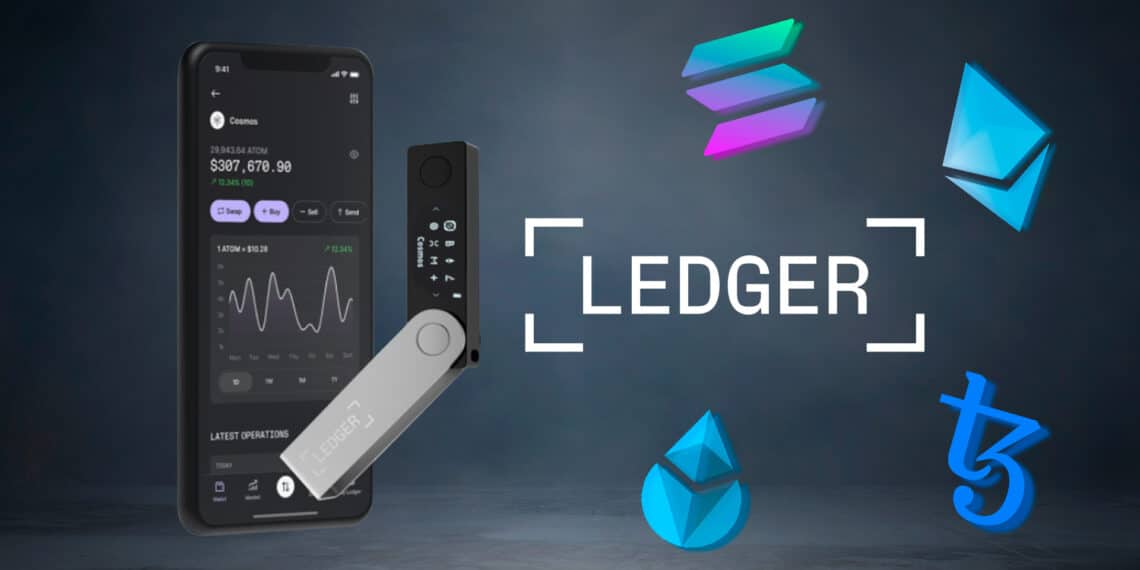
My approach is practical and a bit stubborn. I use hardware wallets for signing, never exposing seeds. For day-to-day trading I maintain a small hot wallet with minimal funds. For larger positions I use devices like ledger and complementary cold setups. That gives me the agility to trade and the assurance that my core holdings are offline.
Step one: segregate funds. Keep only what you need in easy-access wallets. Step two: sign transactions offline whenever possible. Step three: never type your seed phrase into a phone or cloud document. These are small rules. They add up.
One time I had to move assets through a new DEX. I prepared the transaction on a laptop, reviewed the full raw data, and signed on a hardware device that showed the address and amount clearly. The transaction went through. No surprises. The process felt slow compared to a click-and-confirm UI, but the peace of mind was worth it.
Think of it like flying. You can rush, skip checks, and hope for the best. Or you can follow the checklist and arrive. Trading without proper signing hygiene is like skipping the pre-flight. Eventually something fails.
Multisig is another tool I use. On paper it sounds heavy. In reality it scales: you can keep one key on a hardware device, one in a secure offline location, and one with a trusted third-party service or a different person. This reduces single-point-of-failure risk. But be careful—multisig has a learning curve. Practice with tiny amounts first.
Cold storage backups are crucial. I write seed words on steel plates or certified fireproof backups. Paper is okay for a short term, but it’s fragile. I once lost a paper backup in a coffee spill—very very annoying. So I moved to metal. Also, use a passphrase if you know what you’re doing. Passphrases add security, though they also add complexity. I’m not 100% sure every user needs one, but for significant sums it’s worth considering.
Security is also about operational discipline. Keep firmware up to date on devices. Use PINs. Isolate signing devices from general browsing computers. Avoid installing random browser extensions that ask for wallet access. It’s surprising how many breaches start from a single compromised extension or a phishing site that mimics an exchange. My rule: when in doubt, step away from the keyboard. Come back with fresh eyes.
On the psychology side, losses shape behavior. After a close call I implemented a two-window process: prepare and review in one window, sign on the device in another, then verify on the device screen. It sounds tedious. But the pause reduces error. It prevents fast, reflexive approvals that attackers love.
Here’s a small but powerful trick: pre-authorize addresses you commonly use by verifying them on your hardware wallet and keeping a local, signed list. When a DApp asks for a destination, compare it against your pre-approved list. If it doesn’t match, treat it like a red flag. (Oh, and by the way…) keep transaction memos or notes in a secure ledger — not the app, but your own secure log. It helps trace suspicious activity someday.
Now—about education. You must train your reflexes. Use testnets. Try signing mock transactions on low-value chains. Initially I thought testing was a waste, but then I realized practice prevents panic. If you’re comfortable with the signing flow, a real transaction feels normal and you make fewer mistakes. Practice is free insurance.
One more caveat: recovery plans. Assume you’ll be offline, unwell, or unavailable. Store recovery materials in multiple, geographically separated secure places. Tell a trusted person how to access an emergency plan without revealing secrets. This isn’t dramatic; it’s responsible contingency planning. I’ve had friends lose access because of a single missed detail—don’t let that be you.
FAQ
How do hardware wallets protect private keys?
Hardware wallets keep private keys in a dedicated chip that never exposes them to the internet. They display transaction details on the device so you can verify before signing. That physical confirmation step is what separates them from software-only wallets. However, protection only works if you manage the seed and device carefully—no screenshots, no cloud copies, and secure backups.
Is multisig overkill for small traders?
For small amounts it might feel heavy, but multisig can be tailored. Start small. Use multisig for large or long-term holdings and a separate quick-access wallet for routine trades. That balance keeps you nimble without exposing your base capital to a single point of failure.
So where does this leave you? A bit more cautious, I hope. Less romantic about «one-click wins.» More grateful for devices that force us to slow down. And a little annoyed at how many shortcuts people still take. I’m not perfect. I still forget a step sometimes. But the habits I built after being burned once have saved me. They might save you too.
Final thought: trust but verify. Make second thoughts part of your process. It sounds like extra work, and it is. But after the first sleepless night over a lost private key, you’ll know why it matters. Really.
